

Oil Tank
Assurance
Oil tank protection that helps prevent hidden corrosion from turning into expensive emergencies, designed to catch problems before they become leaks or full tank failures, with smart, proactive coverage for your comfort, your property, and your wallet.
Oil Tank
Assurance
Oil tank protection that helps prevent hidden corrosion from turning into expensive emergencies, designed to catch problems before they become leaks or full tank failures, with smart, proactive coverage for your comfort, your property, and your wallet.
Oil Tank
Assurance
Oil tank protection that helps prevent hidden corrosion from turning into expensive emergencies, designed to catch problems before they become leaks or full tank failures, with smart, proactive coverage for your comfort, your property, and your wallet.
Peace of mind,
year after year
Heating oil tanks usually rust from the inside as condensation collects at the bottom, which can cause leaks after about 20–25 years. Replacing a failed tank can cost around $2,700–$4,000. That’s why Tasse’s Crowley Energy offers the Oil Tank Assurance Program (OTAP), proactive protection for your tank and your comfort. Here's how it works:
01
Initial Tank Inspection
Every tank must first pass a thorough professional inspection to be eligible for coverage, ensuring it’s in safe, reliable condition before the plan begins.
02
Waiting Period
New plan participants have a two-year waiting period before coverage begins.Tanks covered under our Tank Guard program are exempt from waiting period.
03
Leak Happens
While covered, cost for leaks are limited to required permits, local or state code upgrades, and any costs related to oil spill clean-up.
Why OTAP?
Why OTAP?
Save big on replacement
Avoid the high, unexpected bill for tank replacement if your old tank fails.
Annual Tank Health Monitoring
We check your equipment every year to help you stay safe, proactive, and up to code.
Simple, Affordable Protection
Pay a small annual fee now for major savings and peace of mind in the future.
Save Big on Replacement
Avoid the high, unexpected bill for tank replacement if your old tank fails.
Annual Tank Health Monitoring
We check your equipment every year to help you stay safe, proactive, and up to code.
Simple, Affordable Protection
Pay a small annual fee now for major savings and peace of mind in the future.
FAQ
Everything you need to know
FAQ
Everything you need to know
FAQ
Everything you need to know
What size is my heating oil tank, and how much will it hold?
The most common home oil tanks are 275 or 330 gallons in size. However, they cannot be filled to the very top—due to oil expansion and mandatory air space, a standard 275-gallon tank holds about 250 usable gallons, and a 330-gallon tank about 300 gallons.
What about other Massachusetts fuel companies I’ve heard of?
Many fuel companies focus only on deliveries and then refer you to third‑party contractors for heating, cooling, or plumbing work, which can add extra steps and cost. Tasse Crowley handles fuel, HVAC, and plumbing in‑house, so everything from a delivery to a furnace repair or burst pipe is coordinated by one team.
What should I do if I think my oil gauge isn’t working?
Lift off the plastic cover and gently press the mechanism up and let it fall—if it splashes or floats back up when released, it’s likely working. A stuck float or a reading that doesn’t change after delivery may indicate a broken gauge. If you suspect a problem, call us for service.
Can I manually check my oil level if the gauge is broken?
Yes. Carefully insert a clean, varnished stick slowly into the tank to the bottom, then withdraw and measure where the “wet mark” ends. Use a tank chart (available from our office) to convert height in inches to gallons remaining. Never drop the stick in—it can damage an old tank.
Why can’t my tank be filled all the way?
Oil expands and contracts with temperature changes. State code requires an “air cushion” at the top of every tank to allow for safe expansion and to prevent spills. Delivery drivers stop filling when the vent alarm (whistle) sounds, about 6 inches from the top.
What’s the vent alarm (whistle) on my oil tank for?
The whistle is a safety feature. As oil enters, air is pushed out and makes a whistling noise through the vent pipe. When the tank is nearly full, the whistle stops, alerting the driver to stop filling—this prevents spills and overfilling.
How do I avoid running out of oil during winter?
Monitor your gauge regularly, especially in cold weather. For peace of mind, sign up for automatic delivery—Tasses Crowley Energy tracks your usage and delivers before your tank runs low. If you’re a will-call customer, order when at or just above ¼.
What signs tell me my oil tank needs to be replaced?
Look for wet spots, rust, or a persistent oil smell—these could indicate a leak. Old tanks should be professionally inspected. Modern double-wall tanks (like Roth) offer extra protection and longer lifespan. Insurance and local codes usually prohibit used tanks for safety.
Where should my oil tank be installed?
Oil tanks must be installed level on a firm, fireproof base—either inside your home (most common in New England), in a basement, or outside on a solid, protected pad. Outdoor tanks may need additional protection from weather and should be checked regularly for moisture and corrosion.
Is there a smart way to monitor my oil tank remotely?
Yes, smart oil tank gauges use Wi-Fi and ultrasonic sensors to track your oil level and send updates to your phone or email so you never have to guess when to reorder.
What happens to the oil left in my tank if I am moving?
If you are moving out of your home, the most frequently asked question is about the unused oil in your tank. Typically, you get paid for the remaining oil by the incoming homeowner, who pays you at the current market rate for the fuel left in the tank. This helps ensure a smooth transition and fair settlement at closing.
The Tasse Crowley Difference
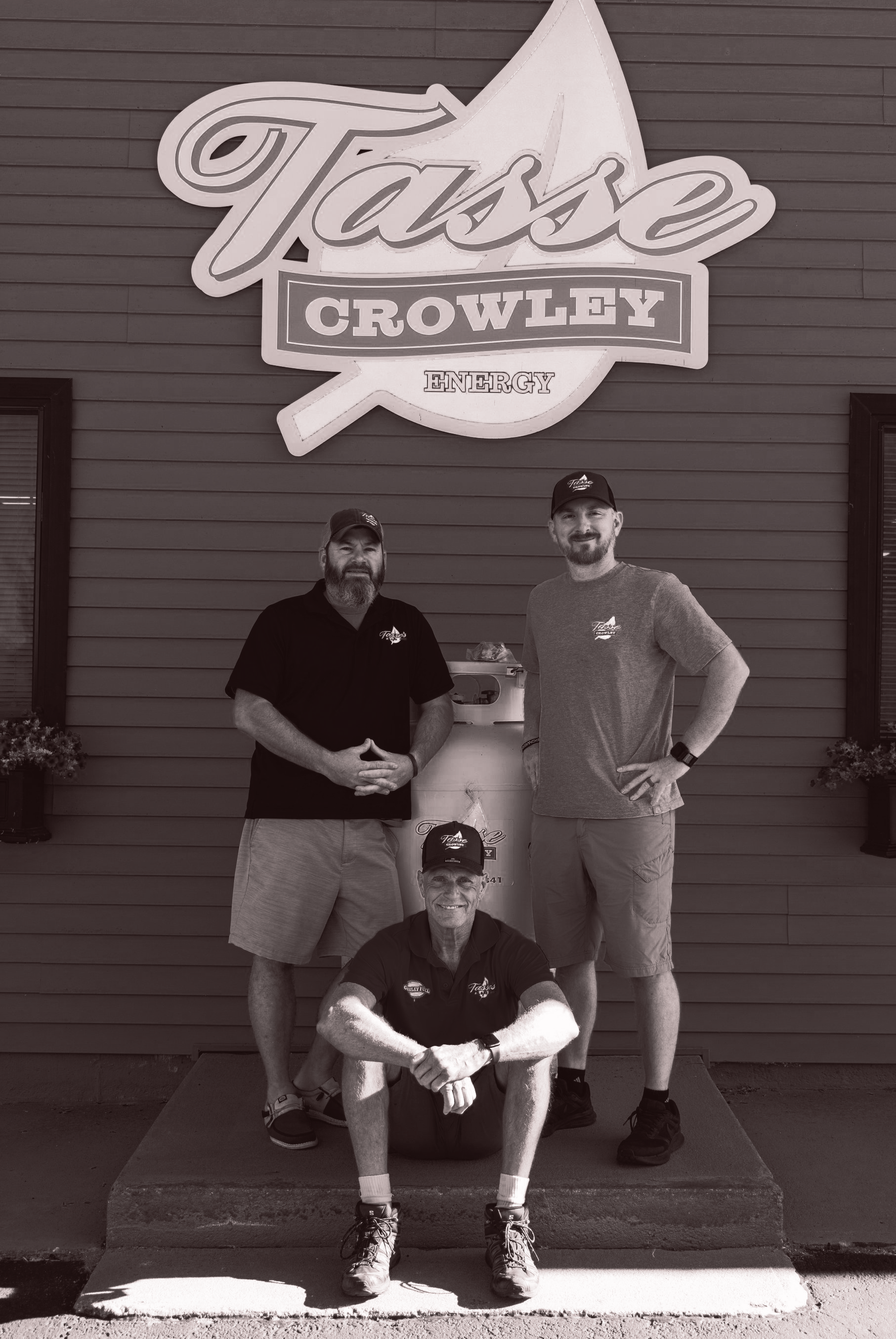
Family-Owned Service
Our team lives and works where you do. We believe in earning trust—one visit at a time.
24/7 Emergency Repair
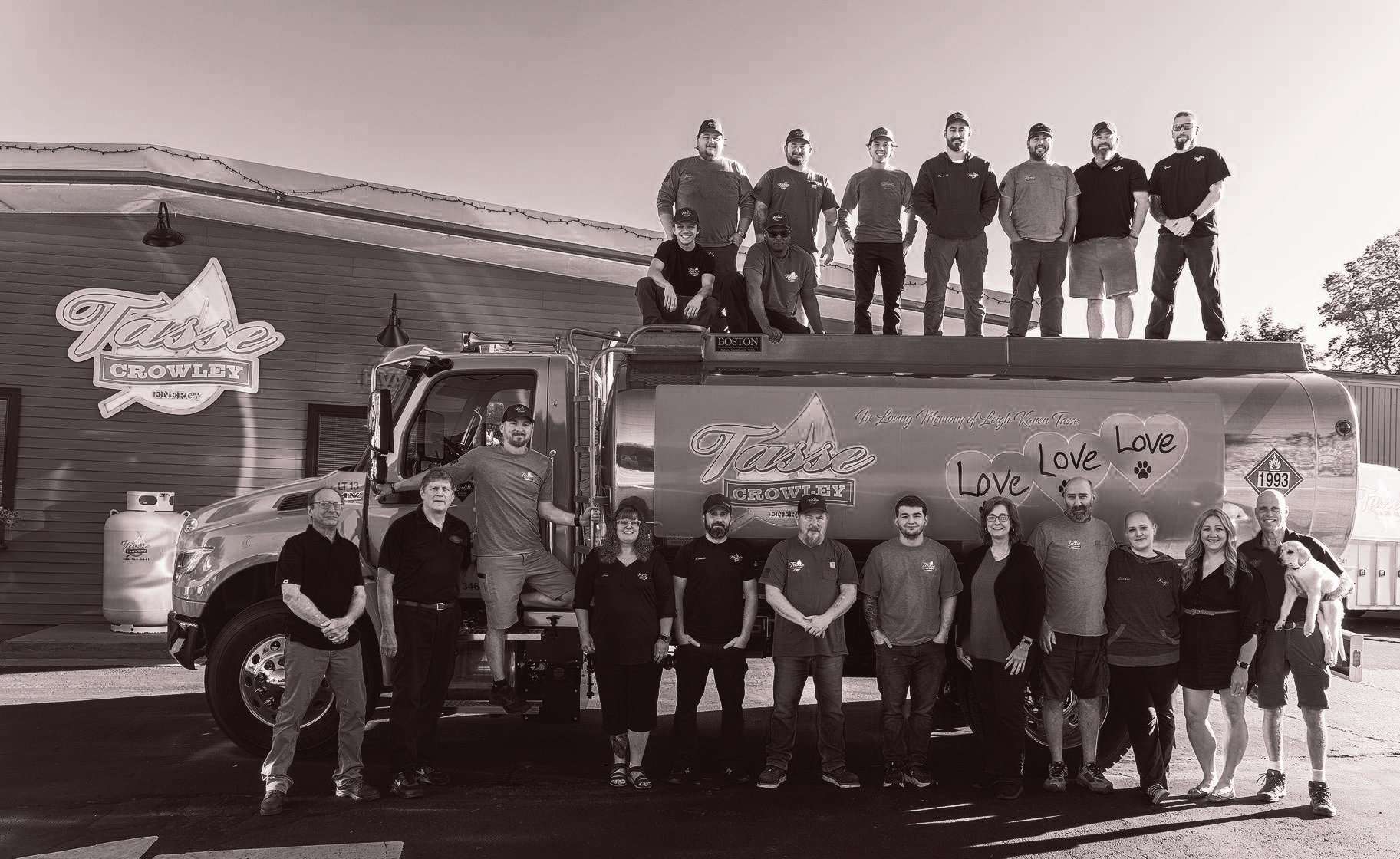
Our technicians are always on call to keep your heat running in any weather.
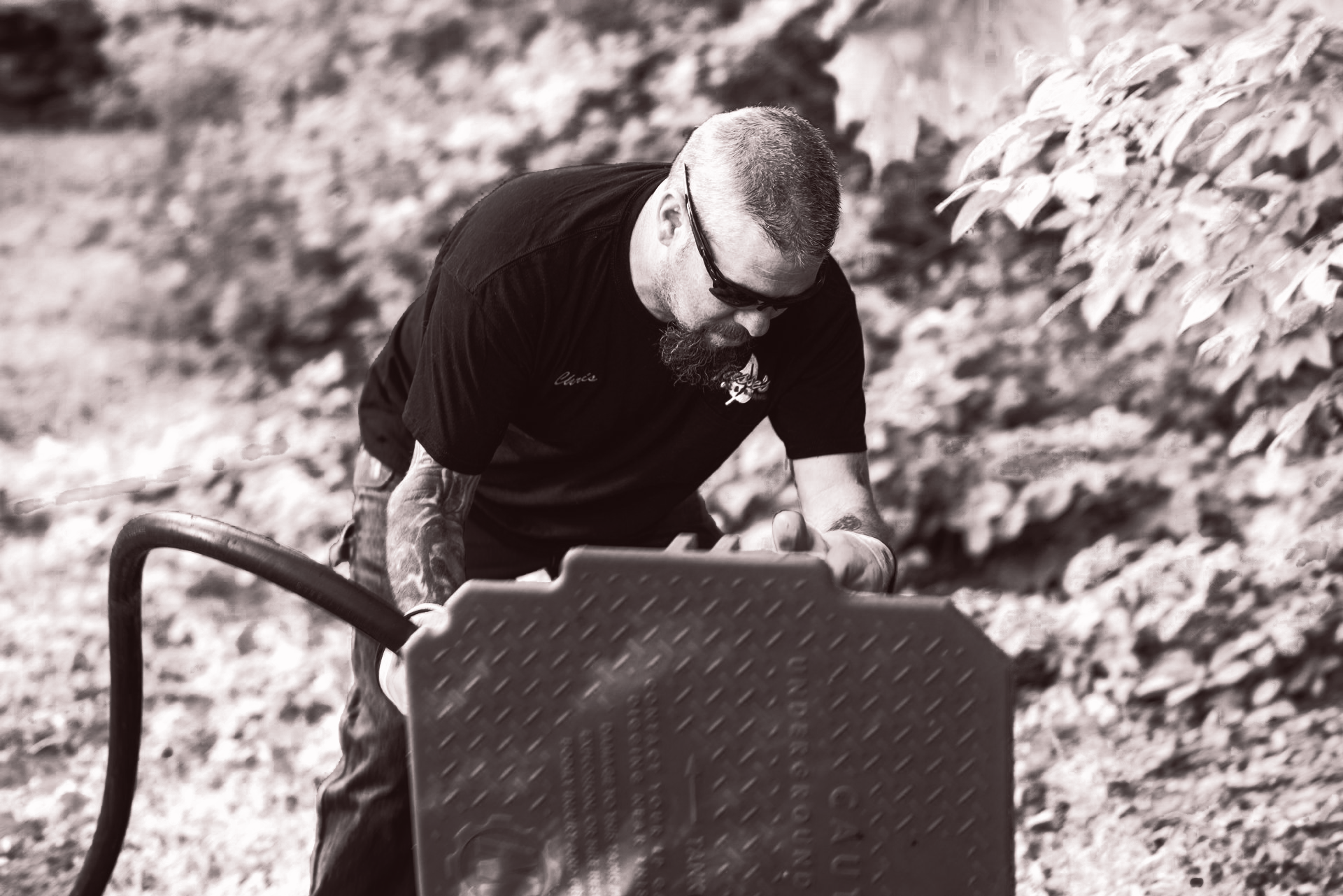
Licensed & Insured Technicians
Only experienced, professionally trained staff enter your home.